

Vending Operators6 min read
On this page
A single $800 compressor failure is rarely an "accident": it is the predictable result of six months of neglected dust buildup on a condenser coil. In 2026, when labor costs for a professional vending machine repair can easily exceed $200 per hour, the difference between a high-margin route and a struggling part-time operation comes down to one thing: a disciplined maintenance routine.
If you are treating your route as a scrappy hobby, you are likely waiting for things to break before you fix them. If you are building a professional operation, you are using a rigorous maintenance schedule to ensure they never break in the first place. This shift moves your business from a "reactive" state: constantly putting out fires: to a steady one, where your machines stay in service for your customers and produce consistent cash flow for you.
The Financial Reality of Reactive vs. Proactive Maintenance
Neglect is expensive. Operators who rely on reactive repairs commonly report maintenance and part replacements consuming around 15% of total operating costs, while those with a disciplined preventive program report figures closer to 5%.
Consider the math for a standard 10-machine route:
- The Reactive Operator: Averaging three emergency calls per machine annually at a cost of $375 per incident (including parts and labor) results in a yearly drain of $11,250.
- The Professional Operator: Investing in two planned preventive visits per machine annually plus minor proactive part replacements costs roughly $7,000.
That is a $4,250 difference in pure profit: enough to fund the down payment on several used vending machines for sale to expand your route. Furthermore, this does not even account for the "invisible" cost of downtime. A machine that is out of service for 48 hours is not just failing to make money: it is actively damaging your relationship with the location owner.
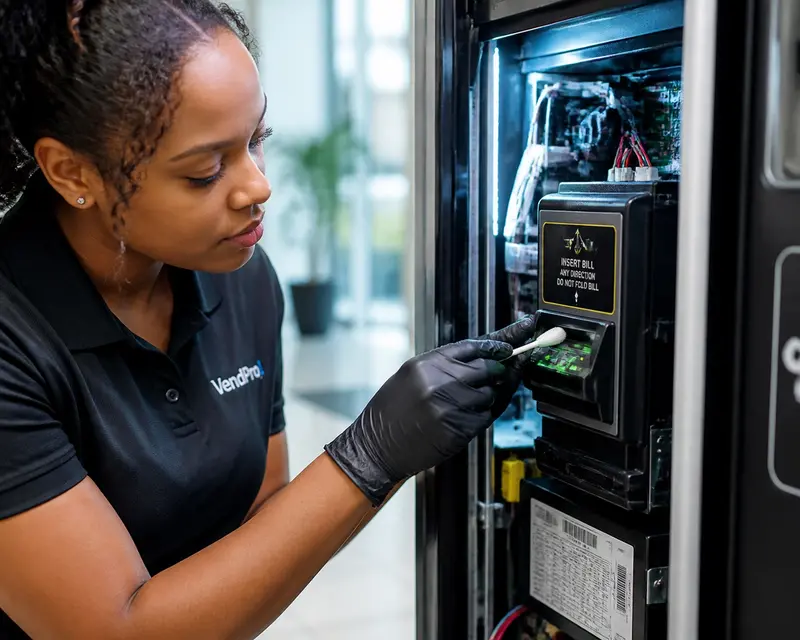
Close up of a clean vending machine coin mechanism and bill validator being inspected.
Your Maintenance & Cleaning Schedule
The Vending Club was built to give operators the practical tracking tools they need to scale. At the heart of this is the Maintenance & Cleaning Schedule, a professional-grade tool designed to standardize your operations.
Standardization keeps small problems from turning into big ones. When you or your employees visit a location, the goal is not just to fill the spirals: the goal is to audit the health of the machine. By following a structured schedule, you transform a simple restock visit into a preventive service call.
Maintenance Tasks by Frequency
To keep this manageable across a whole route, categorize maintenance tasks by how often they need to happen.
1. The Per-Visit Check (The Front Line)
Every time a machine is opened, the following must be verified:
- Payment Systems: Clear any debris from the coin path and wipe the bill validator sensors with a non-abrasive cloth.
- Touchpoints: Sanitize buttons, keypads, and delivery bins: customer perception of cleanliness is directly tied to their trust in the machine's functionality.
- Temp Audit: For refrigerated units, verify the internal temperature matches the set point to prevent compressor overwork.
2. The Monthly Deep Clean
This is where you prevent the "gunk" that leads to mechanical failure.
- Internal Sanitization: Deep clean the product delivery area, especially in machines vending fresh food or open beverages.
- Spiral & Motor Audit: Test at least 10% of your motors for sluggishness or misalignment. A motor that "sounds funny" today is a vending machine repair bill next month.
- Seal Inspection: Check door gaskets for cracks or air leaks. A poor seal forces the compressor to run 20% longer, significantly shortening its lifespan.
3. The Quarterly Deep Check
This is the most critical tier for long-term profitability.
- Condenser Coil Cleaning: Vacuum or brush the dust from the condenser coils. This simple 10-minute task is the single most effective way to prevent a $600+ compressor replacement.
- Firmware & Software Updates: For modern smart machines, ensure your telemetry and payment systems are running the latest versions to prevent "ghost" errors and connectivity drops.
🧮 Want to run your specific numbers? Use our Vending Profitability Calculator to model your route based on machine count, weekly sales, and costs.
Evaluating Used Vending Machines for Sale
When expanding your fleet, you will often look for used vending machines for sale to keep capital expenditures low. However, a "cheap" machine without a documented maintenance log is a liability, not an asset.
When inspecting used equipment, look for the "scars" of neglect:
- Caked dust on the cooling unit: Suggests the compressor has been running hot for years.
- Sticky residue in the coin mech: Indicates a lack of routine cleaning.
- Frayed wiring harnesses: A sign of amateur repairs.
A professional operator keeps a digital log for every asset. When the time comes to sell your route or upgrade your equipment, a complete maintenance history on The Vending Club platform significantly increases the resale value of your machines. It proves to the buyer that they are purchasing a reliable piece of equipment, not a project.
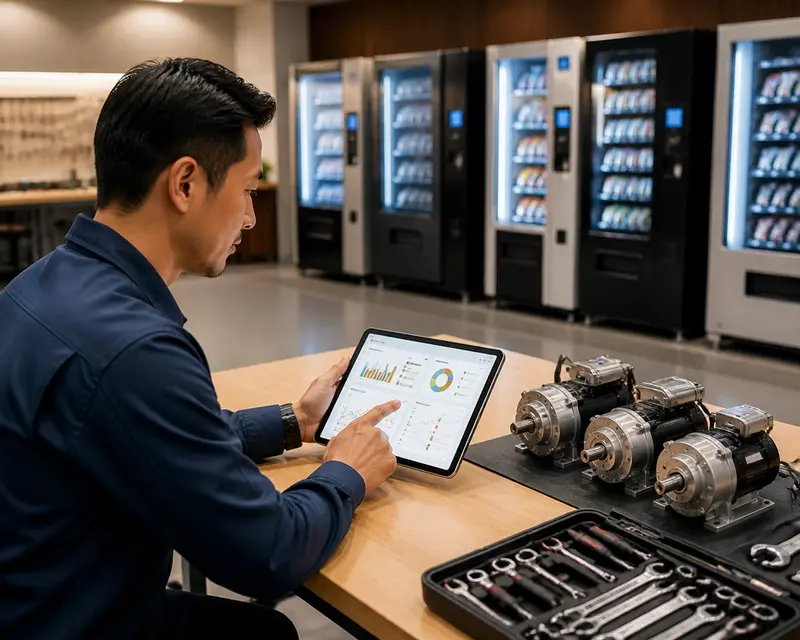
A stack of professional vending business forms and digital maintenance schedules on a tablet.
The Role of IoT and Predictive Analytics in 2026
The industry has moved beyond "guessing" when a part might fail. Modern telemetry systems now offer predictive alerts. If a motor is drawing more amperage than usual, your system should flag it as a "high risk of failure."
By integrating these smart alerts with the Vending Operator Tools, you can schedule a repair during a regular restock path rather than paying for an emergency truck roll. This technology lets your route run with fewer surprise failures and far less manual checking on your part.
Why Professionalism Wins the Best Locations
When you pitch a high-traffic location: like a hospital or a large manufacturing plant: they aren't just looking for snacks. They are looking for a partner who won't create more work for their facilities manager.
Showing a prospective client your Maintenance & Cleaning Schedule and your historical uptime reports (aim for 99.8%) is a significant competitive advantage. It demonstrates that you aren't just a guy with a truck and some candy: you are a professional service provider with a documented, repeatable process.
Summary of Key Maintenance Costs (2026 Estimates)
| Item | Preventive Cost (Planned) | Reactive Cost (Emergency) |
|---|---|---|
| Compressor | $50 (Clean/Service) | $800+ (Replacement) |
| Bill Validator | $10 (Cleaning Card) | $350 (Repair/Swap) |
| Coin Mechanism | $5 (Manual Clean) | $250 (Full Failure) |
| Door Gaskets | $40 (Replacement) | $200 (Increased Energy/Wear) |
Source: Internal data and 2026 industry labor averages.
FAQ: Vending Machine Maintenance
1. How often should I clean my vending machine coils?
For most indoor environments, once every three months is the standard. However, if your machine is in a high-dust area (like a warehouse or near an entrance), you should move this to a monthly task.
2. Can I perform my own vending machine repair?
Basic repairs: like replacing motors, belts, or bill validators: can be done by most operators. However, refrigeration issues involving coolant or compressors usually require a certified technician.
3. What are the best cleaning supplies for vending machines?
Avoid harsh chemicals that can damage plastics or leave odors. Use a mild soap and water solution for interiors, and specialized electronic cleaning cards for bill and coin paths.
4. Is it worth buying a maintenance plan from a manufacturer?
For new, expensive equipment, a manufacturer's service plan can provide peace of mind. However, as you scale, building your own internal maintenance program using our operator tools is usually more cost-effective.
5. How do I track maintenance for a large route?
Use a digital log or a dedicated spreadsheet linked to each machine's serial number. Document the date, the task performed, and any parts replaced to build a comprehensive service history.
Take Control of Your Route Today
Don't wait for a "No Change" light to tell you your machine is failing. A strong reputation in this business is built on reliable, professional operations. By implementing a rigorous maintenance schedule, you protect your margins and give location owners a reason to keep you in place.
Ready to professionalize your operation? Download our Vending Operator Tools and Templates and start building your maintenance program today.