

Vending Operators8 min read
On this page
Below, we break down machine prices, inventory, permits, insurance, and the hidden costs new operators forget to budget for — plus realistic timelines and how to avoid overpaying for equipment. Let’s dig into the basics, the pros and cons, and the steps that help you build a vending business that lasts.
On The Vending Club site you can use free operator resources anytime: post what you are looking for with Locations Wanted, explore the neutral marketplace overview for equipment and route listings, and check definitions in the Industry Glossary.
Connections matter in this industry. That’s why the Vending Community Guide — TVC’s curated map of the industry’s active communities — can make a big difference for beginners. In those communities you’ll find people sharing tips, equipment leads, and location opportunities every week.
How the Vending Machine Business Works
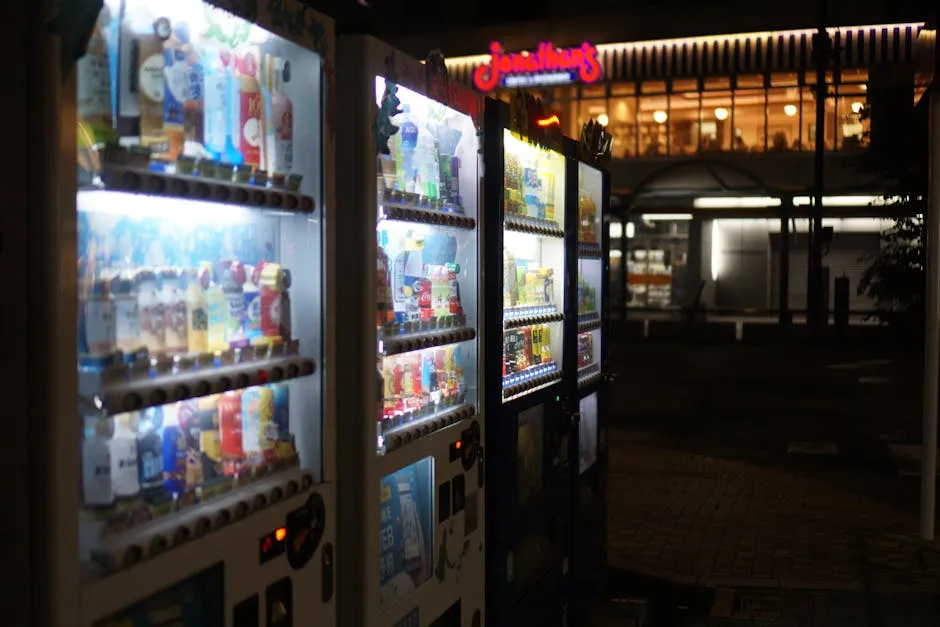
The vending business runs on a simple model. You buy or lease machines, stock them with snacks, drinks, or specialty items, and place them in locations where people want quick access. Each sale brings in cash or card payments. You visit the machines to restock and collect money. The more machines you operate, the more income you can generate.
Operators choose different types of machines. Snack and drink machines are common, but you’ll also see coffee, ice cream, personal care, or even tech accessory vending. Some people start with one type and expand as they learn what sells best in their area.
Success depends on location, product selection, and keeping machines full and clean. Building good relationships with property owners helps you secure better spots. We’ve seen operators land deals in gyms, schools, offices, laundromats, and apartment buildings.
Pros and Cons of Running a Vending Machine Business
Every business model has its upsides and downsides. Vending is no different. Knowing what to expect helps you plan and avoid surprises.
Pros:
- Low startup costs compared to most retail businesses
- No need for employees at the start
- Flexible hours – you decide when to service your machines
- Passive income potential as your route grows
- Easy to scale by adding more machines
- Cash flow comes in daily or weekly
Cons:
- Finding good locations can take time and effort
- Machines need regular maintenance and restocking
- Upfront investment for equipment and inventory
- Some locations require commission payments to property owners
- Theft and vandalism risk in certain areas
- Competition from other operators and micro markets
Weighing these points helps you decide if vending fits your goals and lifestyle. Many operators start part-time, then expand as profits grow.
How Much Does It Cost to Start?
Startup costs vary based on machine type, number of machines, and your local market. Used snack or drink machines can cost $1,000 to $3,000 each. Newer combo machines may run $3,500 to $7,000. You’ll also need funds for inventory, coin changers, card readers, and transportation.
Some operators buy one or two used machines to test the waters. Others lease machines to keep upfront costs lower. Expect to spend $2,000 to $10,000 for a small route with two to four machines, including initial product stock. Don’t forget about business licenses, insurance, and possible location fees.
Use the Vending Profitability Calculator to turn those estimates into a simple profit picture for your scenario.
Ask experienced operators before you buy — many share supplier leads and used-equipment deals that save beginners hundreds or even thousands of dollars.
Finding the Right Locations
 Location makes or breaks a vending business. High-traffic spots with people who want snacks or drinks give you steady sales. Offices, schools, hotels, factories, and laundromats are popular targets. Some operators focus on niche locations like car dealerships or apartment complexes.
Building relationships with property managers is key. Offer a commission or a flat monthly fee to secure a spot. Some locations want a percentage of sales, usually 10% to 20%. Others just want machines that stay clean and stocked. Always get agreements in writing to avoid misunderstandings. Our free vending contract templates are a practical starting point before you finalize terms with counsel.
Networking helps you find openings before others do. The communities mapped in the Vending Community Guide are full of location leads and tips from operators across the country. People share what works in their area and warn about locations with low sales.
Choosing and Stocking Your Machines
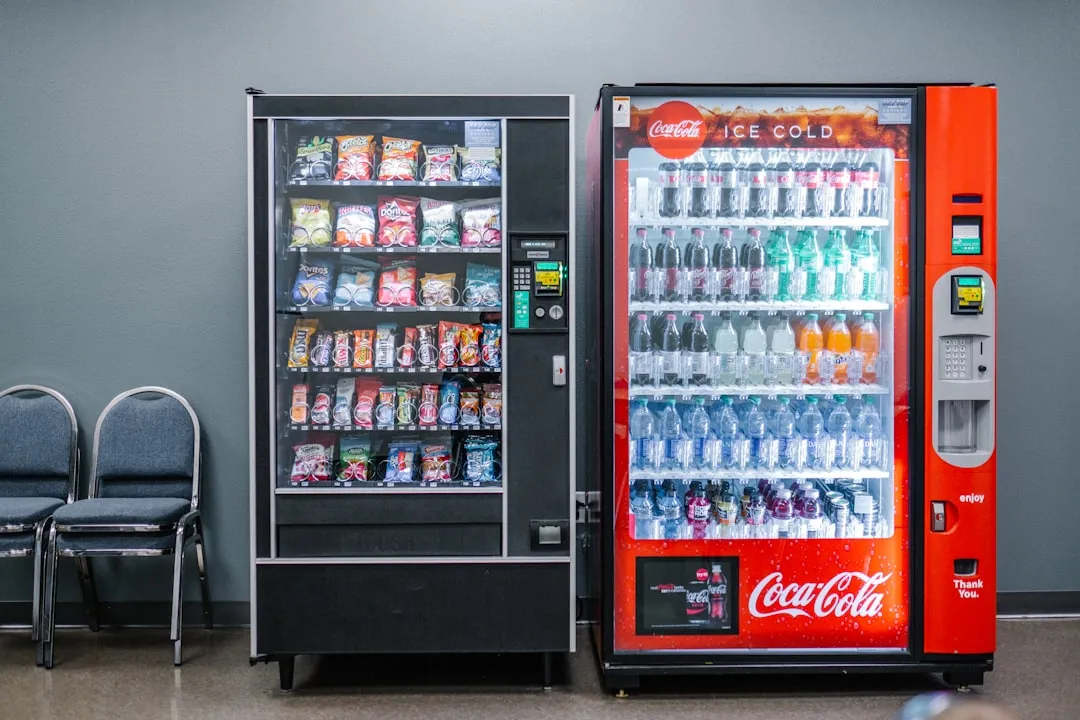
There are three main types of vending machines: snack, drink, and combo. Snack machines hold chips, candy, and pastries. Drink machines offer cans and bottles. Combo machines do both but hold less inventory of each. Some operators branch out into coffee, ice cream, or specialty items as they grow.
Look for machines with reliable payment systems. Card readers boost sales, since many people don’t carry cash. Modern machines offer remote monitoring so you can track sales and inventory from your phone. Used machines save money, but always check for working parts and clean interiors.
Stocking depends on your location. Offices like healthy snacks and bottled water. Schools move chips, candy, and sports drinks. Factories want energy drinks and quick meals. Try different products and track what sells. Rotate slow movers out and keep bestsellers in stock.
For wholesale channels and how distributors support routes, read our Vending Machine Operator Distributors: Complete Guide and the product distributors hub.
Day-to-Day Operations and Maintenance
Running a vending business means regular visits to restock products, collect cash, and clean machines. Most operators check machines once a week or more, depending on sales volume. Clean machines attract more customers and keep property managers happy.
Maintenance includes clearing jams, replacing worn parts, and updating pricing labels. Keep a basic toolkit and spare change on hand. Some operators use route management software to plan stops and track sales. This saves time and helps you spot trends.
Customer service matters. Respond quickly to complaints or refund requests. Leaving a contact number on your machines builds trust and helps you keep locations long-term.
Realistic Timelines for Building a Profitable Route
Most new operators start with one or two machines. It takes a few weeks to find locations, buy equipment, and set up your business. Once your machines are placed, you’ll see sales almost immediately. Profits depend on location quality and product mix. Some machines earn $50 a week, while others bring in $300 or more.
Growing your route takes patience. Adding new machines and locations can take months. Many operators reach $1,000 to $2,000 monthly profit within a year by expanding steadily and reinvesting earnings. Connecting with other operators speeds up the process by pointing you to deals and mentors.
Expect to spend 5 to 10 hours a week on a small route. As your business grows, you’ll need more time or hire help. Some operators turn vending into a full-time income with 20 or more machines.
Licensing, Permits, and Insurance
Most cities and states require a business license to operate vending machines. Some locations need a sales tax permit or a food handler’s card. Check with your local government for specific rules. Skipping permits can lead to fines or lost locations.
Requirements vary by state and municipality. For a structured starting point, open your state from the State Vending Resources hub, then confirm details with your jurisdiction.
Insurance protects you from theft, vandalism, or damage to machines. General liability policies are affordable for small operators. Some property owners require proof of insurance before allowing machines on site.
Keep records of all permits and insurance documents. Renew them on time to avoid interruptions. Many operators use digital folders or cloud storage for easy access.
How to Grow Your Vending Business
Expanding your vending business means adding more machines and locations. Use profits from your first machines to buy or lease new ones. Focus on high-traffic spots where you can place multiple machines together. Some operators offer custom product mixes to win better locations.
Networking with other operators helps you find equipment deals and avoid bad locations. The Vending Club connects you with people who share leads and advice. You’ll also hear about bulk equipment sales and route buyouts.
Common Mistakes Beginners Make
Choosing poor locations based on low rent or promises of high traffic can stall your business. Always check actual foot traffic and ask for sales data if possible. Buying too many machines before securing locations ties up your cash and leaves equipment sitting unused.
Ignoring maintenance leads to breakdowns and lost sales. Machines with broken parts or empty shelves push customers away. Skipping insurance or permits puts your business at risk. Not tracking sales and expenses makes it hard to spot problems or plan for growth.
Learning from operators who have been through it helps you avoid rookie mistakes. Community members share real-world lessons and tips that save time and money.
Resources and Support for New Operators
Getting started is easier with support. The vending industry has a strong online community. You’ll find answers, equipment leads, and location tips in places like The Vending Club Facebook Group. This group offers real-time advice from operators across the country.
Our blog shares updates, news, and member stories. You can connect with suppliers, find deals on machines, and learn about upcoming events. Many beginners find mentors who help them avoid costly mistakes.
Industry events, trade shows, and local meetups offer more ways to network. Some operators team up to share routes or buy inventory in bulk. Staying connected helps you spot trends and grow faster.
You can also grab downloadable worksheets from Operator Tools (member sign-in required for downloads) and claim a free operator listing so hosts can find your business.
Real-World Tips for First-Time Vending Operators
Start small and focus on quality locations. Track every sale and expense from day one. Clean and restock machines regularly to keep customers happy. Test different products and adjust your inventory based on what sells. Build relationships with property managers and respond quickly to any issues.
Stay active in operator communities for support and new opportunities. Use route management apps to save time and boost profits. Keep learning and don’t be afraid to ask questions.
Reinvest profits to expand your route. Focus on steady growth instead of chasing quick wins. With patience, good planning, and the right connections, you can build a vending business that supports your goals and gives you more freedom.